

Starting a small farm is one of the most rewarding decisions a person can make, and a big part of getting it right comes down to understanding what equipment you will need and why it matters. Every farm is different, shaped by the land, the climate, and what you plan to grow or raise.
The equipment you bring onto your property will directly affect how efficiently you work, how well your crops and animals thrive, and how sustainable your operation becomes over time. This article walks through the key categories of farm equipment that most small-scale farmers will encounter, from the machinery that works the land to the systems that keep water and feed available year-round.
Irrigation Systems
A reliable irrigation system is critical for maintaining consistent crop growth, especially during dry spells or in regions with unpredictable rainfall. Drip irrigation, sprinkler systems, and surface irrigation are the most common types, and each works better in certain soil types and for certain crops.
Irrigation systems can be purchased and installed through agricultural supply companies, many of which offer on-site consultations to help farmers choose the right setup for their land. Having a well-designed system in place reduces water waste and helps crops develop more evenly throughout the growing season.
Vertical Water Storage Tanks
Vertical water storage tanks are a practical solution for farms that need to store large amounts of water on-site for irrigation, livestock, or general use. Their vertical design makes efficient use of space, which is helpful when storage area is limited.
These tanks are available through agricultural supply retailers, including USA Tank, along with water storage specialists and general farm supply stores, and they come in a range of capacities to suit different farm sizes. Having stored water readily available reduces dependence on municipal water supplies or natural sources that may fluctuate with the seasons.
Fencing and Perimeter Control
Fencing is a fundamental part of farm infrastructure that protects crops, contains livestock, and defines property boundaries. The type of fencing that works best depends on what animals you are keeping and the landscape of your property.
Common options include barbed wire, electric fencing, woven wire, and wooden post-and-rail designs. Fencing materials and installation services are widely available through agricultural supply retailers and local contractors who specialize in farm and ranch projects.
Seeding and Planting Equipment
Seeding equipment ranges from hand-operated spreaders for small plots to tractor-pulled planters designed for larger fields. The type you need depends on the scale of your operation and the kinds of crops you plan to grow.
Seed drills, broadcast spreaders, and precision planters are all commonly used on small farms, and each deposits seeds at different depths and spacing. These tools are sold through farm equipment dealers and agricultural co-ops, and many dealers offer demonstrations so farmers can see how a machine performs before committing to a purchase.
Farm Tractor
A farm tractor is one of the most versatile and widely used pieces of equipment on any working farm. It can be fitted with different attachments for tasks like tilling, hauling, mowing, and loading, making it a central workhorse across all seasons.
Tractors come in a wide range of sizes and power outputs, so the right choice depends on the scale of your operation and the terrain you are working with. You can find tractors through agricultural equipment dealerships, such as Lilly Kubota, as well as farm auctions and online marketplaces that specialize in farm machinery.
Utility Vehicles and ATVs
Utility vehicles and all-terrain vehicles are commonly used on farms for moving people, tools, and small loads across rough or uneven ground quickly. They are especially useful on larger properties where walking between different work areas would take up significant time during a busy day.
Most are equipped with cargo beds that make it easy to carry feed, fencing materials, or harvested produce from one part of the farm to another. These vehicles are available at outdoor and powersports dealerships, as well as through farm equipment retailers who stock models built specifically for agricultural environments.
Feed and Grain Storage
Proper storage for animal feed and harvested grain protects your investment from moisture, pests, and contamination. Silos, metal bins, and enclosed barn storage are all standard options, and the right choice depends on the volume being stored and the type of material.
Grain bins in particular are a significant infrastructure item that many small farms add as they grow their operation. Storage systems can be sourced through agricultural construction companies and farm supply dealers, many of whom provide delivery and installation services.
Livestock Handling Equipment
For farms that raise animals, proper livestock handling equipment makes daily chores safer and more manageable for both the farmer and the animals. Squeeze chutes, sorting panels, loading ramps, and water troughs are all standard items that help manage cattle, sheep, pigs, and other animals effectively.
Having the right handling setup reduces stress on livestock during routine checks, vaccinations, and transport, which in turn supports healthier animals. This type of equipment is sold through livestock supply companies and agricultural equipment dealers, and many offer customizable setups based on the size and layout of your operation.
Harvesting Equipment
Harvesting equipment varies widely depending on what you are growing, ranging from simple hand tools to mechanized harvesters pulled by or attached to a tractor. For vegetable farms, specialized harvesting aids like mechanical harvesters or picking carts can significantly reduce the time and labor involved in collecting crops.
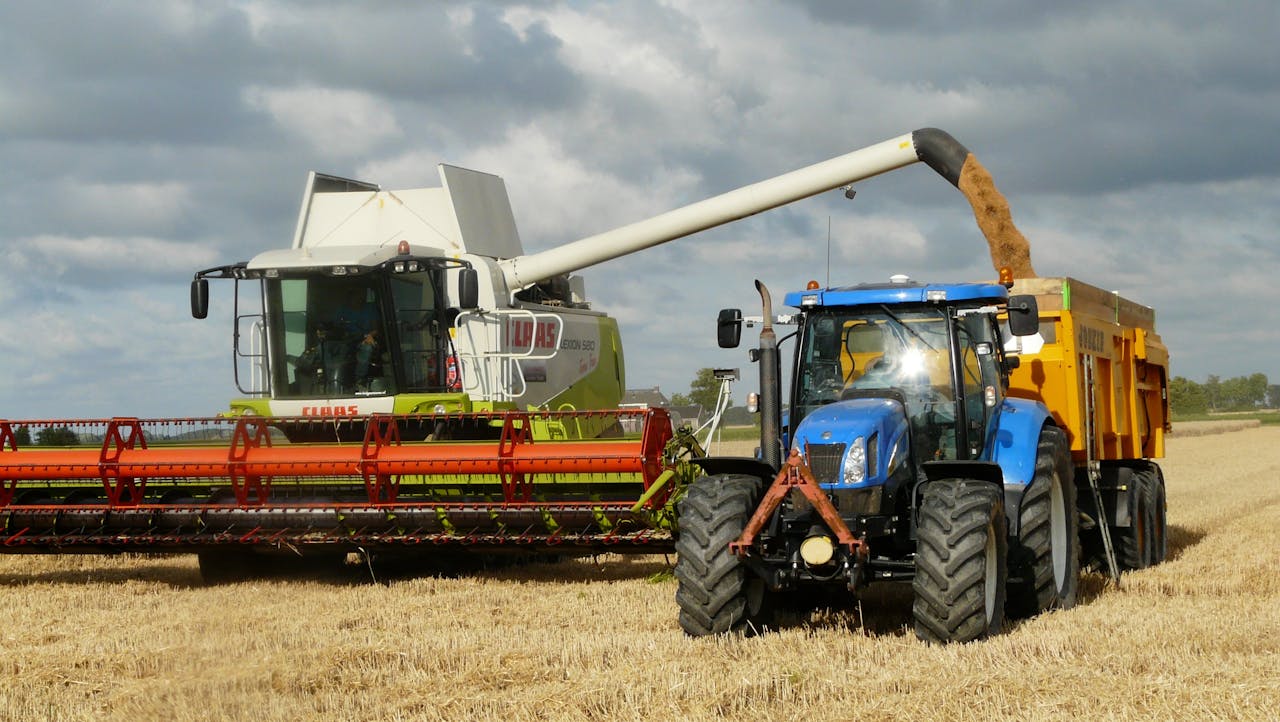
Grain farmers typically rely on combines, which cut, thresh, and clean grain in a single pass through the field. Harvesting machinery is available through farm equipment dealerships, and many newer farmers also explore rental or lease options through equipment sharing programs in agricultural communities.
Building a well-equipped small farm takes time, research, and a clear understanding of what your land and operation actually need. No two farms are exactly alike, which means the equipment that works well for one farmer may not be the right fit for another.
The good news is that there are more resources available today than ever before, from agricultural extension services and local farming networks to equipment dealers who specialize in helping new farmers get started. Taking a thoughtful approach to each purchase or rental decision puts you in a much stronger position to run a farm that is productive, manageable, and built to last.
