

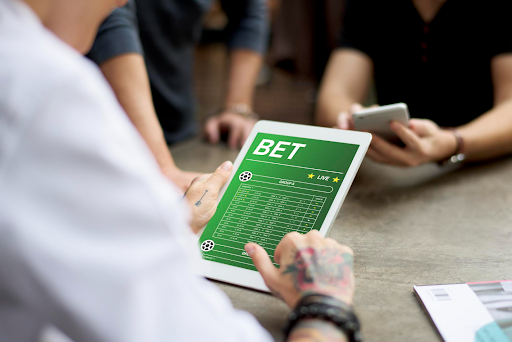
When you spin a wheel, open a treasure chest, or collect daily rewards in a game, it feels exciting — even when no real money is involved. That sense of achievement, that small rush of pleasure, isn’t just a coincidence. It’s the product of careful design, psychology, and technology working together to create experiences that feel real.
In today’s world, digital entertainment has blurred the boundaries between play and reward. Whether you’re leveling up in a fitness app or spinning in online slots, the emotional responses triggered by digital wins are surprisingly powerful. But why does something virtual feel so tangible? The answer lies in the way our brains process anticipation, reward, and satisfaction.
The Science of Anticipation
At the core of every game — digital or physical — is anticipation. It’s that moment between action and outcome that holds our attention. Neuroscientists call this the dopamine loop, a cycle where the brain releases dopamine not just when we win, but when we expect to win.
Every time a player taps “spin” or completes a challenge, the brain prepares for a potential reward. The bright lights, animations, and sound effects of digital games heighten that expectation, turning a simple action into an emotional experience. That’s why even small victories — like unlocking a bonus round or collecting a streak reward — can feel thrilling.
The Illusion of Control
Another key ingredient in digital design is the illusion of control. Humans love to believe their actions influence outcomes, even in games of chance. Developers subtly reinforce this belief by allowing players to interact before results appear — pressing buttons, picking symbols, or timing their taps.
This interactivity makes players feel part of the process. The result? Wins feel earned rather than random. This illusion keeps engagement high and turns passive play into active participation, deepening emotional investment in the experience.
The Role of Visual and Audio Design
Our senses play a major role in why digital rewards feel so real. The sound of coins, the flash of confetti, the vibration of a phone — these multisensory cues mimic the real-world sensations of winning.
Slot games, for example, are designed to be immersive. The combination of colorful graphics, fast-paced music, and tactile feedback creates a sensory environment that’s hard to resist. It’s not just visual appeal; it’s psychological conditioning. Each sound or animation is carefully chosen to make the reward feel satisfying and memorable.
Interestingly, this same design principle appears in productivity apps and social media. The “ding” of a notification or the animation of a completed task taps into the same pleasure centers of the brain. The message is clear: the human mind doesn’t distinguish much between digital and physical rewards when the stimulation feels authentic.
Gamification Beyond the Casino
The concept of digital rewards extends far beyond gaming. Fitness apps, online learning platforms, and even financial tools now use gamification — the integration of game mechanics into non-game environments. Points, badges, streaks, and leaderboards all use the same psychology as online slots: variable rewards and visual feedback to keep users engaged.
In a sense, life itself has become gamified. We track steps, streaks, and likes — each metric a small dopamine trigger encouraging us to continue. It’s an effective strategy because it taps into our innate desire for progress and recognition.
Why It Feels So Good
The combination of anticipation, surprise, and sensory engagement makes digital wins feel emotionally satisfying. Our brains are wired to seek patterns and celebrate success, even in low-stakes situations.
Psychologists call this phenomenon “reward substitution.” When real-world wins (like career milestones or personal achievements) are harder to come by, small virtual victories can substitute for them, providing similar feelings of accomplishment. That’s one reason why mobile gaming has become so widespread — it offers instant, bite-sized gratification in a busy world.
The Role of Mindfulness in Modern Play
While these mechanics make digital experiences exciting, they can also become consuming. Mindfulness plays a crucial role in keeping our engagement balanced. Being aware of how and why digital rewards affect us helps us enjoy them without losing perspective.
Taking a mindful approach means asking simple questions: Am I playing for fun, or chasing a feeling? Am I using games as a break or as an escape? Recognizing the emotional triggers behind gaming can transform it into a healthier, more intentional form of leisure.
Some people even use journaling as a reflective tool to understand their relationship with digital entertainment. Writing about experiences — noting how certain games make you feel or when you’re most drawn to play — can offer valuable insights into your habits and motivations.
Redefining What “Winning” Means
Technology has changed how we define success and reward. The digital era has democratized the experience of luck — you no longer need to sit in a casino to feel the thrill of chance. Whether it’s a spin, a streak, or a challenge badge, modern entertainment gives everyone a taste of winning.
But understanding the psychology behind it allows us to engage more consciously. The joy of gaming doesn’t have to come from chasing rewards; it can come from appreciating design, skill, and creativity.
Conclusion
Digital rewards feel real because they’re designed to trigger genuine human emotions. The colors, sounds, and sensations of modern games mirror the same thrill-seeking instincts that have driven play for centuries. Technology hasn’t replaced luck or excitement — it has reimagined them for the digital world.
The next time you celebrate a small virtual victory, remember that your brain is responding exactly as it would to a real one. The feeling is genuine — but your awareness makes all the difference.