

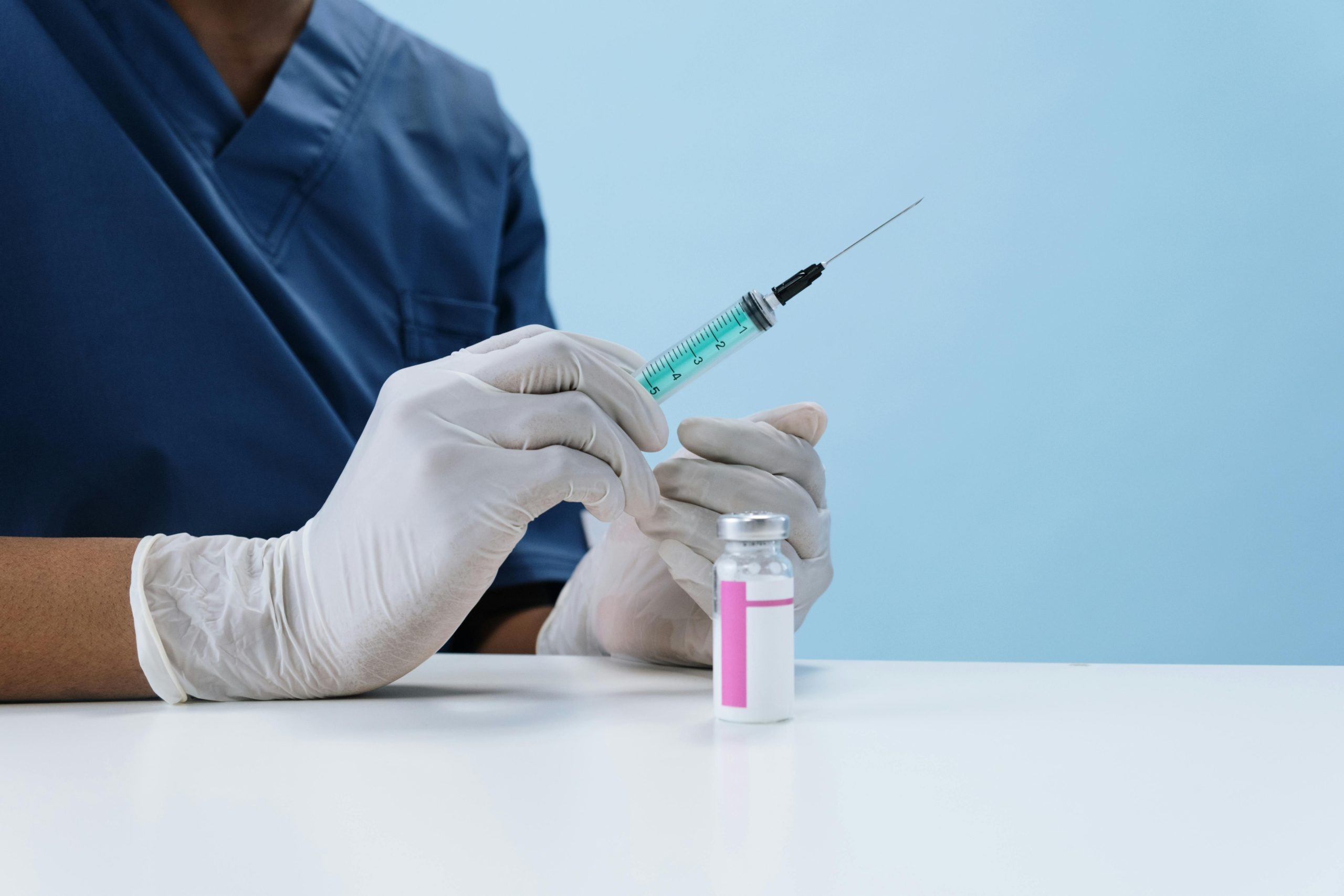
Aspiring aesthetic injectors must prioritize patient safety above all else to ensure successful outcomes and professional growth. Mastering the technical side of Botox is important, but true expertise comes from a foundation of rigorous safety standards and clinical preparedness.
Understanding Patient Health Before Injecting
Before you ever pick up a syringe, you must thoroughly understand the individual sitting in your chair. A comprehensive health review helps you identify red flags like allergies, muscle disorders, or medications that might increase the risk of bruising. This step is far more than routine paperwork; it is a vital safeguard for both you and your patient. Skipping this evaluation can lead to complications that are entirely avoidable.
A proper consultation also serves to set realistic expectations from the start. Patients need to understand what Botox can and cannot achieve, how long results typically last, and which side effects are possible. These clear conversations reduce the likelihood of misunderstandings later on. Ultimately, safety begins long before the first injection is ever administered.
Maintaining a Clean and Controlled Environment
Botox injections may seem straightforward, but they remain serious medical procedures. Clean hands, disinfected surfaces, and sterile tools are non-negotiable requirements for every treatment. Even minor lapses in hygiene can lead to preventable infections or skin irritations. Consistently following these sanitation standards demonstrates your professionalism and commitment to patient care.
Proper glove use, correct sharps disposal, and organized treatment trays should quickly become second nature. Trainees must also learn how to store Botox correctly to ensure the product remains stable and effective. Factors like temperature control and gentle handling matter more than many beginners realize. A tidy, controlled space supports safe and predictable outcomes every time.
Practicing Accurate Injection Techniques
Precision is everything in the world of aesthetic medicine. Botox works by relaxing specific targeted muscles, and placing it incorrectly can cause issues like drooping or uneven results. This is why hands-on supervision during botox training is essential for building both skill and clinical confidence. You must learn exactly where to inject and, just as importantly, which areas to avoid.
Gaining a deep understanding of facial anatomy helps you navigate the complex structure of muscles beneath the skin. Even a deviation of a few millimeters can significantly impact the final look. Trainees should practice mapping out injection points carefully before beginning any treatment. A slow, steady technique is the best way to improve both patient safety and aesthetic results.
Recognizing and Managing Complications Early
While Botox is widely considered safe, every trainee must be prepared to handle potential side effects. Mild swelling or bruising is common and usually fades within a few days. However, more serious issues like eyelid ptosis can occur if the product is misplaced. Recognizing these signs early allows you to manage the situation effectively and reassure the patient.
Patients should always receive clear aftercare instructions before they leave the clinic. This includes avoiding heavy exercise for a short period and keeping their head upright for several hours post-treatment. Encouraging patients to report any unusual symptoms right away helps build a foundation of trust. A quick response often prevents small issues from developing into larger problems.
Communicating Clearly and Documenting Carefully
The best injectors are also excellent communicators who provide honest answers about risks, costs, and outcomes. Clear communication reduces patient anxiety and ensures they feel truly informed rather than pressured. When a patient knows exactly what to expect, their confidence in your abilities will grow.
Accurate documentation is equally vital to a safe practice. Recording the exact dosage, specific injection sites, and product lot numbers protects both the provider and the patient. These detailed records allow you to track long-term results and adjust future treatments for better safety. Keeping careful notes is a core professional responsibility, not just a simple office routine.
Conclusion
Botox training involves much more than just learning how to handle a needle. It is about developing the habits that protect your patients and strengthen the reputation of your practice. From initial health screenings to sterile techniques and honest communication, every step is vital for a safe outcome.
When trainees respect these safety protocols, they distinguish themselves as responsible and reliable professionals. Patients will notice your careful preparation and the clear guidance you provide. In the end, a commitment to safety is what builds long-term success in the field of aesthetic medicine.
