

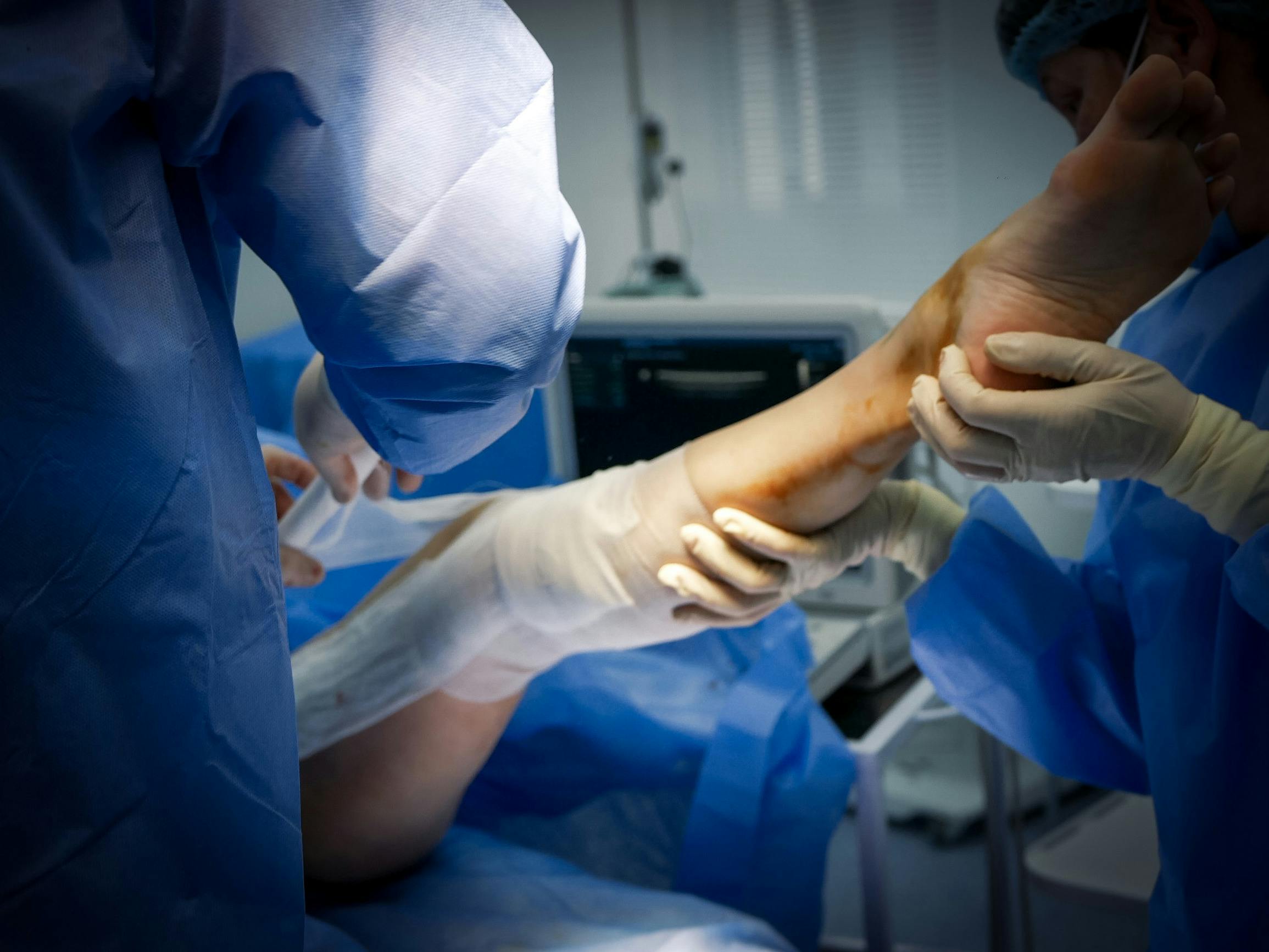
Wound care has come a long way from basic bandages and ointments. For people dealing with serious burns, diabetic ulcers, or surgical wounds, healing can be slow and frustrating. In some cases, the body struggles to rebuild damaged skin on its own. That is where bioengineered skin grafts are changing the conversation.
These advanced grafts are designed to help the body heal more effectively. They act like a supportive layer placed over a wound to encourage new tissue growth. While the idea may sound futuristic, it is already being used in modern medical settings. For many patients, it represents a new layer of hope.
Understanding How Traditional Healing Falls Short
When skin is deeply damaged, the body has to rebuild several layers of tissue. This process can take weeks or even months, especially in people with poor circulation or underlying health conditions. Diabetes, for example, can slow healing and increase the risk of infection. Standard treatments may protect the wound but do not always speed recovery.
Chronic wounds can also affect quality of life. Ongoing pain, frequent doctor visits, and limited mobility create emotional stress. Patients often feel discouraged when progress is slow. Traditional care is important, but it does not always provide the extra push needed for full healing.
Exploring How Bioengineered Grafts Support Healing
Bioengineered skin grafts are created using living cells or supportive materials that mimic real skin. In simple terms, they provide a structured surface that helps the body rebuild tissue more efficiently. Instead of waiting for the body to fill in a wound on its own, the graft guides and supports the process. This can reduce healing time in some cases.
These grafts are carefully prepared and applied by trained medical professionals. They are designed to integrate with the patient’s own tissue over time. As new skin forms, the graft either dissolves or becomes part of the healing layer. The goal is not just closure, but stronger and healthier skin.
Improving Outcomes for Complex Wounds
Bioengineered skin grafts, like those offered at AAA Medical Center are often used for wounds that resist standard treatment. Diabetic foot ulcers, pressure sores, and severe burns are common examples. These wounds carry higher risks of infection and complications if not managed properly. Advanced grafts offer an added level of protection and support.
Many trusted facilities incorporate bioengineered skin options into comprehensive wound care plans. This approach combines technology with hands-on medical oversight. By tailoring treatment to each patient, providers can improve healing outcomes. It is a more personalized way to address a serious problem.
Reducing Complications and Hospital Visits
One of the biggest concerns with chronic wounds is infection. Open skin leaves the body vulnerable to bacteria, which can lead to hospitalization if not controlled. By promoting faster closure, bioengineered grafts may lower this risk. Less exposure means fewer opportunities for infection to take hold.
Faster healing can also mean fewer medical appointments. For patients juggling work, family, and other health conditions, this matters. Reduced complications translate into lower stress and better overall well-being. The benefits extend beyond the wound itself.
Restoring Confidence and Comfort
Wounds are not only physical; they can take an emotional toll. Persistent sores may limit clothing choices, daily movement, or social activities. Some patients feel self-conscious about visible injuries. Healing more effectively can help restore confidence.
There is also comfort in knowing that advanced options exist. Patients often feel reassured when their care plan includes innovative treatments. It signals that their provider is using every available tool. That sense of progress can lift spirits during a difficult recovery.
Conclusion
Bioengineered skin grafts represent a meaningful shift in wound care. They go beyond covering an injury and actively support the body’s natural healing process. For patients facing complex or slow-healing wounds, this added layer can make a real difference.
As medical science continues to advance, treatments like these are redefining what recovery looks like. Healing no longer has to rely solely on time and basic protection. With guided support and modern techniques, patients have stronger options than ever before. The next layer in wound care is not just about technology; it is about restoring health and hope.