

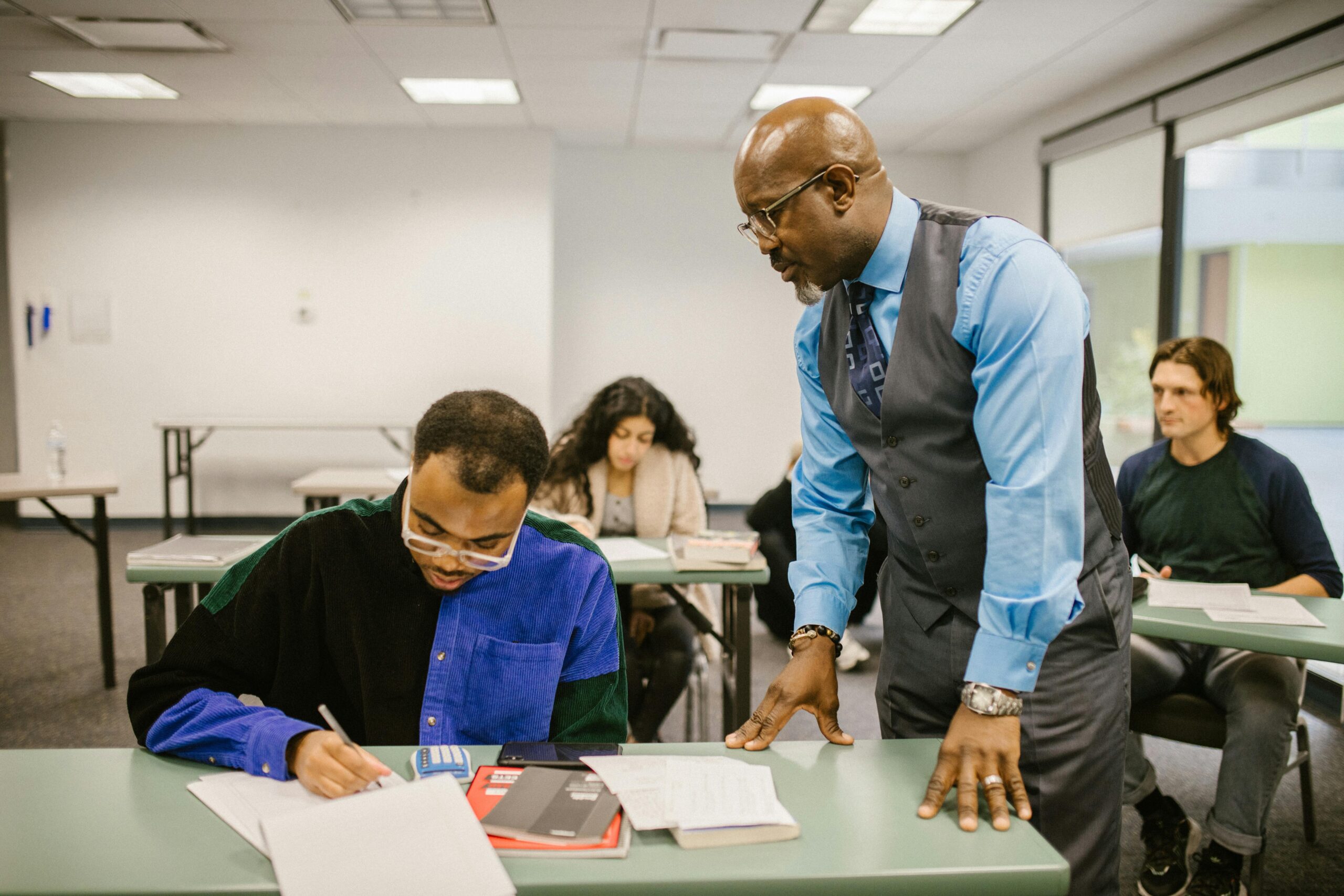
Education benefits earned through military service provide valuable opportunities for veterans seeking to continue their personal and professional development. These programs are designed to help service members transition into civilian careers by supporting academic goals, technical training, and professional certifications. When used effectively, veterans education benefits can reduce financial barriers while opening pathways toward new career possibilities.
Many veterans pursue higher education to expand their knowledge, strengthen their credentials, or prepare for leadership roles in civilian industries. Educational institutions across the country have developed programs that support veteran students through advising services, flexible schedules, and tailored academic resources. Schools such as University of Maryland Global Campus are among the institutions that recognize the unique needs of military-affiliated learners, offering programs designed to accommodate both traditional students and working adults.
Recognizing the Value of Education Benefits
Veterans education benefits provide more than financial assistance. They represent a commitment to supporting the long-term success of individuals who have served their country. These benefits can cover tuition expenses, provide housing allowances, and offer support for books and other learning materials.
Beyond financial relief, the availability of these programs encourages veterans to pursue academic goals that might otherwise feel unattainable. Educational institutions often structure their academic programs in ways that help veterans apply their real-world experiences to their studies. As a result, veterans can transform their military training and leadership skills into valuable academic achievements.
Selecting the Right Academic Program
Choosing the right academic program is one of the most important steps when using veterans education benefits. Veterans often enter higher education with diverse interests, ranging from business and technology to healthcare and public service. Selecting a program that aligns with career goals helps ensure that educational benefits are used effectively.
Many institutions offer flexible learning formats, including online classes, hybrid programs, and accelerated courses. These options allow veterans to balance their studies with work, family responsibilities, and other commitments.
Navigating the Certification Process
Using veterans education benefits typically involves a certification process that confirms eligibility and enrollment status. This process allows educational institutions and government agencies to coordinate financial assistance and ensure that benefits are applied correctly.
Veterans may need to submit documentation related to their service history, enrollment status, and program selection. Although the process may initially appear complex, most universities provide guidance through dedicated military or veteran support offices. Many schools assist students in navigating certification procedures so that their benefits can be applied efficiently.
Supporting Academic Success Through Resources
Veteran students often benefit from a variety of academic support resources once they begin their educational journey. These resources may include tutoring services, career counseling, writing assistance, and academic advising. Access to these services helps veterans adapt to the academic environment while strengthening their study skills.
Support services also create a sense of community for veterans who may be transitioning from military life to civilian education. Institutions that support veterans recognize the importance of these support systems, offering programs designed to help veterans succeed academically while balancing their responsibilities outside the classroom.
Preparing for Career Opportunities
Education benefits are frequently used as a stepping stone toward long-term career advancement. Veterans bring valuable leadership experience, discipline, and problem-solving abilities to the workforce. By combining these strengths with formal education, they can pursue careers in fields such as business management, cybersecurity, healthcare administration, and public service.
Academic programs often integrate career development services that help students prepare for employment after graduation. Resume workshops, internship opportunities, and professional networking events provide veterans with tools to transition smoothly into new industries.
Balancing Education With Personal Responsibilities
While education benefits provide valuable opportunities, many veterans must balance their academic pursuits with family obligations, employment, or community involvement. Time management and careful planning become essential skills during this transition period.
Flexible learning options, such as online classes and evening schedules, can help veterans maintain a healthy balance between education and personal responsibilities. Many institutions design programs that accommodate the diverse lifestyles of adult learners, allowing veterans to progress steadily toward their educational goals.
Strengthening Future Opportunities Through Education
Veterans education benefits represent an important bridge between military service and future opportunities. By supporting academic advancement, these programs allow veterans to apply their experience, discipline, and leadership skills in new professional settings. Education can serve as a powerful tool for building careers, strengthening communities, and achieving personal fulfillment.
Institutions continue to support veterans by offering flexible programs and guidance throughout the educational process. When veterans take full advantage of their benefits, they not only expand their knowledge but also position themselves for meaningful contributions in the civilian workforce and beyond.