

A well-functioning home depends on more than just its visible design and furnishings. Behind the walls and beneath the structure lies a network of essential systems that keep everything running smoothly, safely, and efficiently. These home infrastructure systems support daily comfort, protect against damage, and help maintain long-term property value. Whether you are building a new home or upgrading an existing one, understanding these foundational systems can help you make better decisions and avoid costly issues in the future. From water management to energy efficiency and climate control, each system plays a critical role in keeping a household functional and resilient.
Powering Electrical Systems
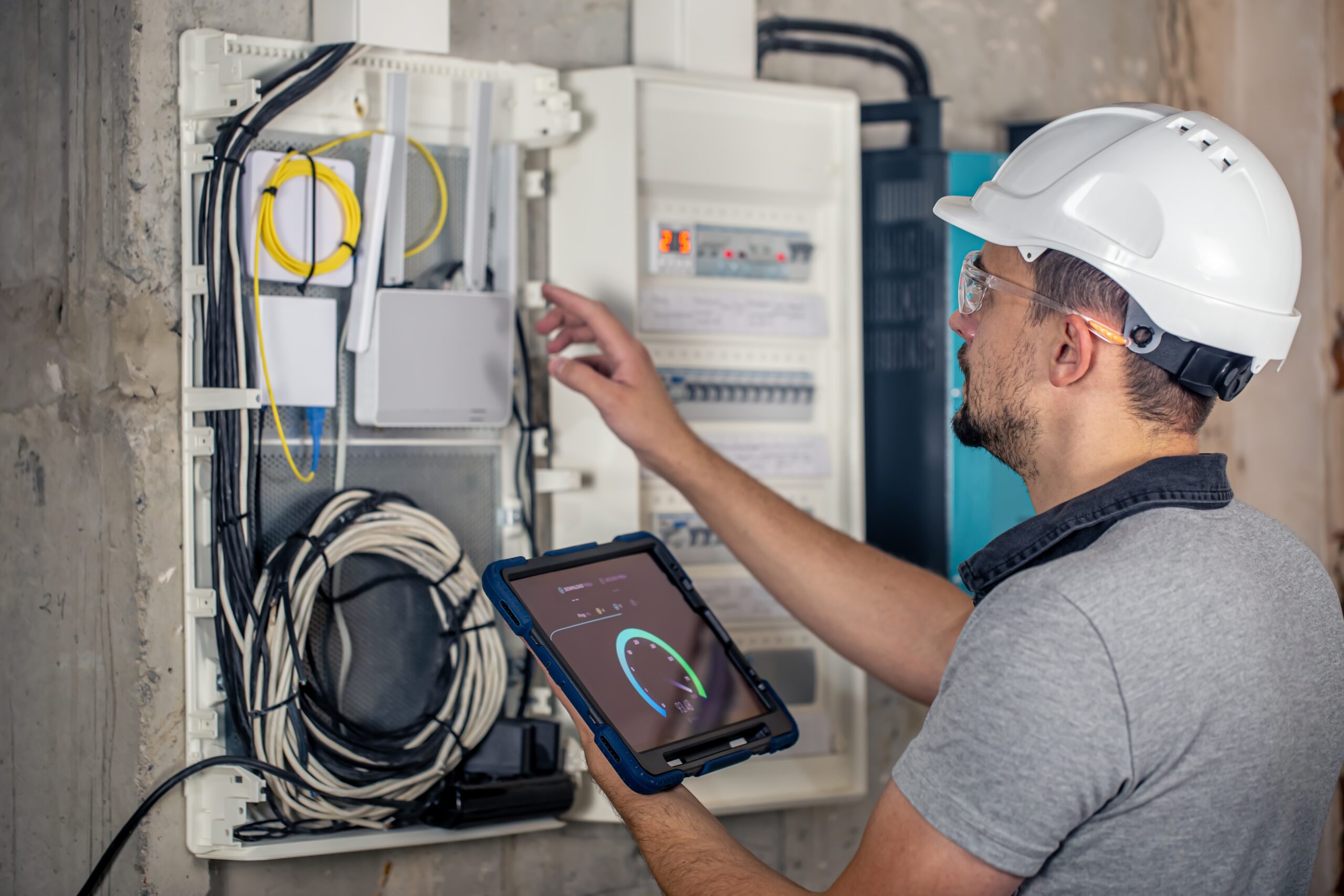
Electrical systems form the backbone of modern living, supplying power to lighting, appliances, entertainment devices, and essential equipment. A properly designed electrical system ensures that energy is distributed safely and efficiently throughout the home. Circuit breakers, wiring, outlets, and panels must all be correctly installed and maintained to prevent overloads and reduce fire risks.
As homes continue to incorporate more technology, having an upgraded electrical system becomes even more important. Smart appliances, home offices, and electric vehicle charging stations all place additional demand on electrical infrastructure, making reliability and capacity key considerations for homeowners.
Managing Plumbing Systems
Plumbing systems are essential for delivering clean water and safely removing wastewater from the home. A well-maintained plumbing network supports everything from cooking and cleaning to bathing and sanitation. Pipes, fixtures, drains, and water supply lines must be designed to handle consistent use without leaks or blockages.
Poor plumbing infrastructure can lead to water damage, mold growth, and expensive repairs. Modern plumbing systems also focus on water efficiency, helping homeowners reduce consumption through improved fixtures and better system design. Ensuring proper installation and regular maintenance helps preserve both comfort and hygiene within the home.
Installing Tankless Water Heaters
Tankless water heaters have become a popular upgrade in modern home infrastructure due to their energy efficiency and on-demand performance. Unlike traditional water heaters that store hot water in a tank, these systems heat water only when needed. This approach lessens energy waste and ensures a continuous supply of hot water without the limitations of storage capacity.
Installing tankless water heaters can also free up valuable space, making them ideal for smaller utility areas. Homeowners benefit from lower energy bills, longer system lifespan, and improved efficiency. However, proper sizing and professional installation are essential to guarantee optimal performance and consistent hot water delivery throughout the home.
Strengthening HVAC Systems
Heating, ventilation, and air conditioning (HVAC) systems are essential for maintaining indoor comfort throughout the year. These systems regulate temperature, humidity, and air quality, creating a healthy and livable environment. A properly functioning HVAC system ensures warmth during cold seasons and cooling during hot weather, while also filtering out dust, allergens, and pollutants.
Modern HVAC systems are designed to be more energy-efficient, helping homeowners reduce utility costs while maintaining comfort. Regular servicing, filter replacement, and system upgrades contribute to better performance and longer system life. Because HVAC systems operate year-round, their reliability is crucial for overall home livability.
Installing Sump Pump Systems
Sump pump installation plays a critical role in protecting homes from water damage, particularly in areas prone to heavy rainfall or flooding. These systems are usually placed in basements or crawl spaces to eliminate excess groundwater before it builds up and leads to structural damage. When water levels rise, the sump pump activates automatically, directing water away from the foundation and preventing flooding.
This protective system helps safeguard against costly repairs, mold growth, and long-term structural deterioration. Regular maintenance and testing are important to ensure the pump functions properly when needed. A reliable sump pump system provides peace of mind, especially during storm seasons or in high-moisture environments.
Securing Smart Home Infrastructure
Smart home infrastructure has become an increasingly important part of modern living, integrating technology into everyday household systems. This includes smart thermostats, security cameras, lighting controls, and connected appliances that can be managed remotely. These systems enhance convenience, improve energy efficiency, and increase home security.
A strong network infrastructure, including reliable Wi-Fi and secure connections, is essential to support these technologies. As homes become more digitally connected, cybersecurity also plays a key role in protecting personal data and preventing unauthorized access. Investing in smart infrastructure allows homeowners to create more efficient, responsive, and secure living environments.
These core home infrastructure systems are the foundation of a safe, comfortable, and efficient household. From electrical and plumbing systems to advanced solutions like tankless water heaters and sump pump installation, each component contributes to the overall performance of the home. HVAC systems ensure climate control, while smart infrastructure adds convenience and security. Together, these systems create a well-balanced environment that supports modern living needs. By understanding and properly maintaining these essential systems, homeowners can protect their investment, reduce long-term costs, and ensure their homes remain functional and resilient for years to come.