

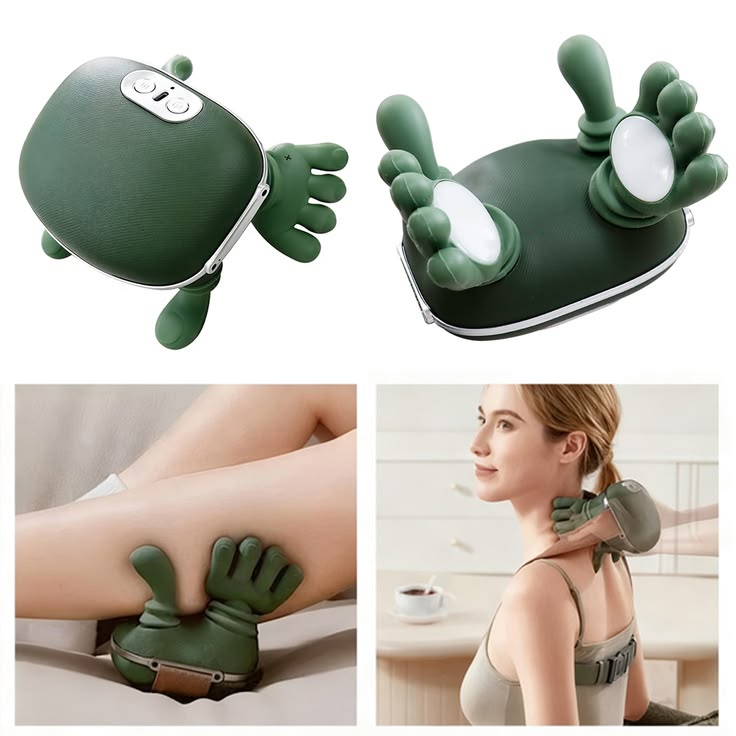
Massage therapy has always relied on one essential quality: the human touch. Skilled therapists adjust pressure, rhythm, and depth instinctively based on muscle response. For years, mechanical massagers could only imitate parts of this experience, offering repetitive vibration or fixed kneading patterns. With the introduction of 4D kneading technology, however, modern devices are getting significantly closer to replicating a professional massage experience.
This advancement is not just about stronger motors or more movement. It is about intelligent variation—creating a dynamic massage pattern that feels more natural, adaptive, and human-like.
What “4D Kneading” Actually Means
Traditional massage devices typically operate in 2D or 3D motion. They may move up and down, side to side, or apply basic rotational pressure. 4D kneading adds a fourth dimension: time-based variation Neck and Shoulder Massager.
The Four Dimensions Explained
- 1D: Up and down motion (vertical kneading)
- 2D: Horizontal and vertical movement
- 3D: Depth adjustment (how deep pressure goes into tissue)
- 4D: Rhythm and timing variation (speed and pressure changes over time)
It is this final layer—timing variation—that makes the experience feel more natural and less mechanical.
Why Human Massage Feels Different
To understand 4D technology, it helps to understand what makes human massage effective.
Adaptive Pressure
A professional massage therapist does not apply constant force. Pressure changes based on muscle feedback.
Rhythmic Variation
Human hands naturally alternate between slow, deep pressure and lighter, faster movements.
Sensitivity to Muscle Response
Therapists adjust technique when they feel tight spots or trigger points.
4D systems aim to simulate these adjustments through programmed variation.
How 4D Kneading Technology Works
Modern 4D massagers use advanced motor systems and intelligent programming to replicate human-like motion.
1. Variable Speed Control
Instead of maintaining a constant speed, 4D devices shift between slow and fast kneading cycles. This mimics the natural rhythm of human hands.
2. Adjustable Depth Pressure
The massage nodes can extend and retract to different depths, allowing the device to reach both surface muscles and deeper tissue layers.
3. Multi-Directional Movement
4D systems combine vertical, horizontal, and rotational movement patterns to simulate thumb-like kneading from multiple angles.
4. Dynamic Rhythm Programming
The most defining feature is variation over time. Instead of repeating a fixed cycle, the device changes intensity patterns during the session.
Why 4D Massage Feels More “Human”
The brain is highly sensitive to patterns. When motion becomes too predictable, it feels mechanical. 4D systems reduce predictability.
Breaking Repetition Fatigue
Constant repetitive motion can feel artificial and less effective. Variation helps maintain sensory engagement.
Mimicking Real Therapist Behavior
Human massage is never uniform. It naturally shifts between:
- Deep pressure on tight areas
- Gentle strokes for relaxation
- Rhythmic kneading for circulation
4D systems replicate this alternation.
Benefits of 4D Kneading Technology
1. Improved Muscle Relaxation
Dynamic pressure helps muscles release tension more effectively than static motion.
2. Better Blood Circulation
Alternating pressure encourages better blood flow, especially in the neck and shoulder region.
3. Reduced Muscle Adaptation
Muscles can adapt to constant pressure, reducing effectiveness over time. Variation prevents this adaptation.
4. Enhanced Comfort
Because intensity changes naturally, the experience feels less harsh and more balanced.
Where 4D Technology Matters Most
Not all muscle groups respond equally to massage technology, but some benefit significantly from 4D motion.
Neck and Cervical Spine
Sensitive muscles in this area respond well to gentle variation and controlled pressure.
Upper Trapezius
This muscle often holds chronic tension and benefits from deeper, alternating kneading.
Shoulder Junction Points
Complex muscle intersections require multi-directional pressure to fully release tightness.
How 4D Massagers Compare to Traditional Devices
Traditional Massage Devices
- Fixed rhythm
- Limited depth control
- Predictable motion patterns
- More vibration-based than kneading-based
4D Kneading Devices
- Variable rhythm and speed
- Adaptive depth control
- Multi-directional movement
- Human-like pressure variation
The difference is most noticeable in long sessions, where traditional devices can feel repetitive while 4D systems remain dynamic.
The Role of Heat and 4D Massage
Many 4D devices integrate heat therapy to enhance results.
Why Heat Enhances Performance
- Softens muscle fibers
- Improves circulation
- Allows deeper pressure without discomfort
When combined with 4D motion, heat helps create a more complete relaxation experience.
Common Misconceptions About 4D Massage
“It Replaces a Human Therapist”
While advanced, 4D massage is still a simulation, not a full replacement for professional therapy.
“More Movement Means More Pressure”
Effectiveness comes from controlled variation, not just intensity.
“It Works Instantly for All Pain”
Chronic tension still requires consistent use and supportive habits.
Best Practices for Using 4D Kneading Devices
Start with Lower Intensity
Allow muscles to adjust before increasing pressure.
Use Short, Regular Sessions
10–15 minute sessions are often more effective than long continuous use.
Combine with Posture Awareness
Massage works best when paired with ergonomic improvements.
Why Consistency Matters
4D massage is most effective when used regularly. Over time, it helps:
- Reduce chronic muscle tightness
- Improve tissue responsiveness
- Maintain better posture comfort
- Support long-term relaxation patterns
Final Thoughts
4D kneading technology represents a major step forward in personal massage devices. By introducing time-based variation into pressure, speed, and depth, it creates a more natural and human-like experience that closely mirrors professional massage techniques.
While it does not replace the skill of a trained therapist, it offers a highly effective, accessible, and consistent way to manage daily muscle tension. When used regularly, it can significantly improve comfort, circulation, and overall upper-body relaxation—bringing the essence of the human touch into everyday self-care.