

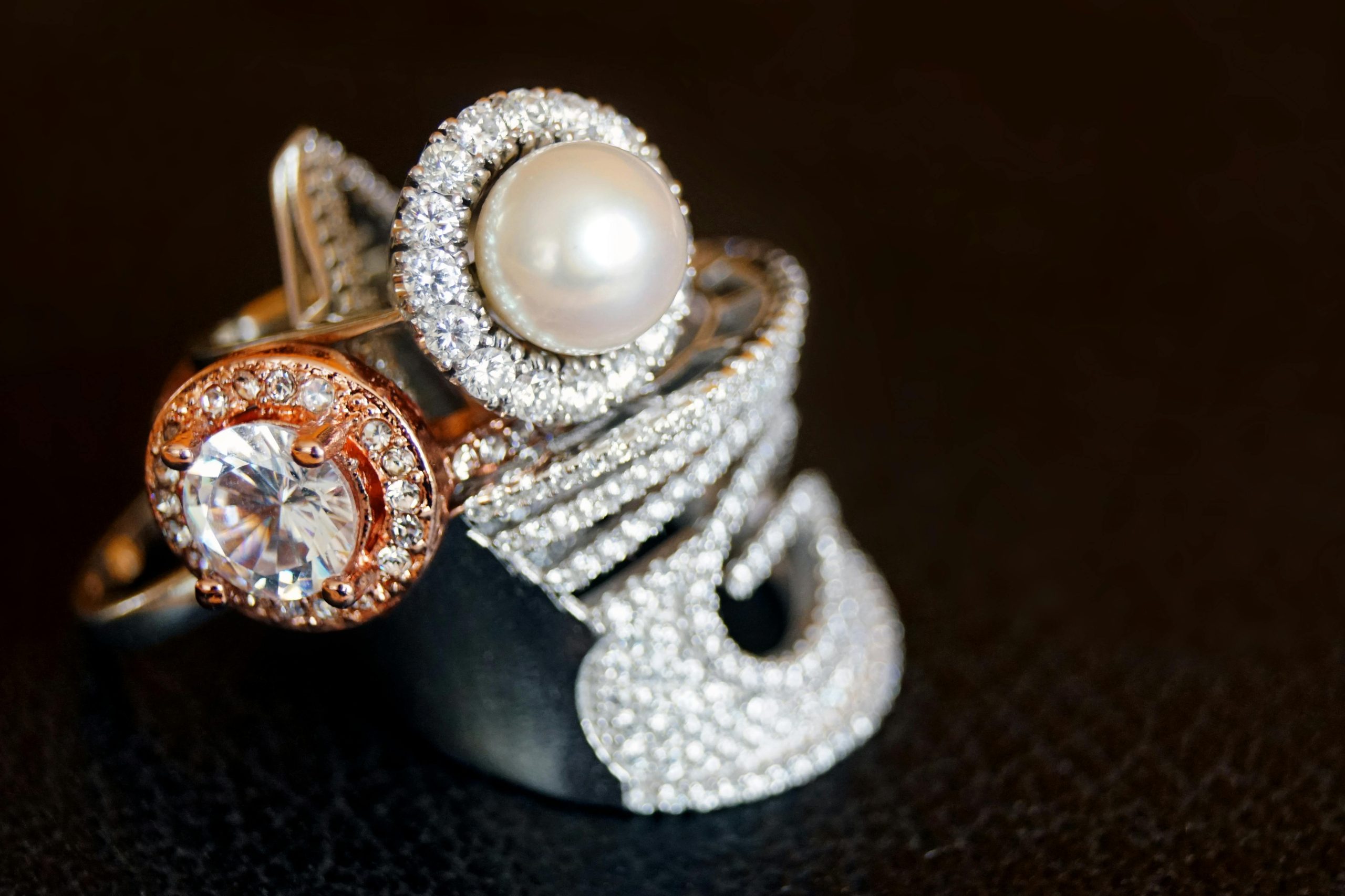
Buying custom jewelry has become an increasingly meaningful choice for individuals who want more than an off-the-shelf accessory. Unlike mass-produced pieces, custom jewelry reflects personal stories, milestones, and values, making it deeply connected to the wearer. Whether created to commemorate a life event or simply to express individuality, custom jewelry allows for intentional design choices that go beyond aesthetics.
As interest in personalization continues to grow, understanding the process and considerations behind buying custom jewelry can help buyers approach the experience with clarity and confidence. From concept development to craftsmanship, each stage contributes to a final piece that is both distinctive and enduring.
Defining Personal Style and Intent
The first step in buying custom jewelry often involves clarifying personal style and intent. Some individuals are drawn to minimalist designs, while others prefer intricate details or bold statements. Equally important is understanding the purpose of the piece, whether it marks an engagement, anniversary, personal achievement, or artistic expression.
This phase encourages reflection. By considering lifestyle, daily wear habits, and long-term preferences, buyers can communicate ideas more effectively during the design process. As a result, the final piece feels authentic rather than influenced by fleeting trends.
Appreciating the Design Collaboration Process
Custom jewelry is inherently collaborative. Designers and clients work together to translate ideas into tangible form, balancing creativity with technical feasibility. This collaboration often begins with sketches or digital renderings, which allow for adjustments before production begins.
Throughout this process, open communication is essential. Feedback helps refine proportions, materials, and details, ensuring the piece aligns with the original vision. Consequently, buying custom jewelry becomes an interactive experience rather than a transactional one, fostering a deeper connection to the finished piece.
Selecting Materials With Long-Term Value
Material selection plays a central role in both the appearance and durability of custom jewelry. Precious metals, gemstones, and alternative materials each bring unique qualities that influence weight, color, and wearability. Buyers often consider factors such as hardness, maintenance requirements, and symbolic meaning when making selections.
In addition to aesthetics, ethical sourcing and sustainability have become important considerations. Thoughtful material choices not only enhance the piece’s longevity but also reflect personal values. Over time, these decisions contribute to jewelry that retains both sentimental and material value.
Understanding Craftsmanship and Technique
Craftsmanship distinguishes custom jewelry from mass-produced alternatives. Skilled artisans such as Lustre by Adolf apply specialized techniques that ensure precision, balance, and structural integrity. Attention to detail during stone setting, metal finishing, and assembly supports both beauty and functionality.
Furthermore, craftsmanship influences how a piece ages. Well-constructed jewelry maintains its form and finish despite regular wear. By recognizing the importance of technique, buyers gain a greater appreciation for the expertise involved in creating custom designs.
Managing Expectations and Timelines
Buying custom jewelry requires patience. Unlike ready-made pieces, custom designs involve multiple stages that take time to complete. Design revisions, material sourcing, and fabrication all contribute to the overall timeline.
Setting realistic expectations early helps prevent misunderstandings. While timelines may vary depending on complexity, the extended process often enhances the experience. Anticipation builds as the piece gradually takes shape, reinforcing its significance upon completion.
Balancing Emotion and Practical Considerations
Emotion plays a powerful role in buying custom jewelry, yet practical considerations remain equally important. Comfort, durability, and maintenance should align with the intended use of the piece. For example, rings worn daily require different design considerations than occasional statement pieces.
By balancing emotional significance with practical needs, buyers ensure that custom jewelry remains both meaningful and wearable. This balance supports long-term satisfaction rather than short-term excitement.
Preserving Meaning Through Care and Maintenance
Once a custom piece is completed, proper care helps preserve its beauty and meaning. Regular inspections, gentle cleaning, and appropriate storage protect materials from unnecessary wear. Over time, maintenance becomes part of the jewelry’s story, reflecting years of use and personal history.
Understanding care requirements also reinforces informed decision-making during the design phase. When buyers anticipate long-term upkeep, they select materials and finishes that suit their lifestyle, ensuring the piece remains a cherished possession.
Embracing the Lasting Significance of Custom Jewelry
Ultimately, buying custom jewelry is about more than acquiring an object. It represents a deliberate choice to invest in craftsmanship, personal expression, and enduring value. Each design decision contributes to a narrative that continues long after the piece is worn.
By approaching the process with intention and understanding, buyers create jewelry that resonates on both aesthetic and emotional levels. Custom jewelry, when thoughtfully designed and cared for, becomes a lasting symbol of identity, memory, and artistry.
