

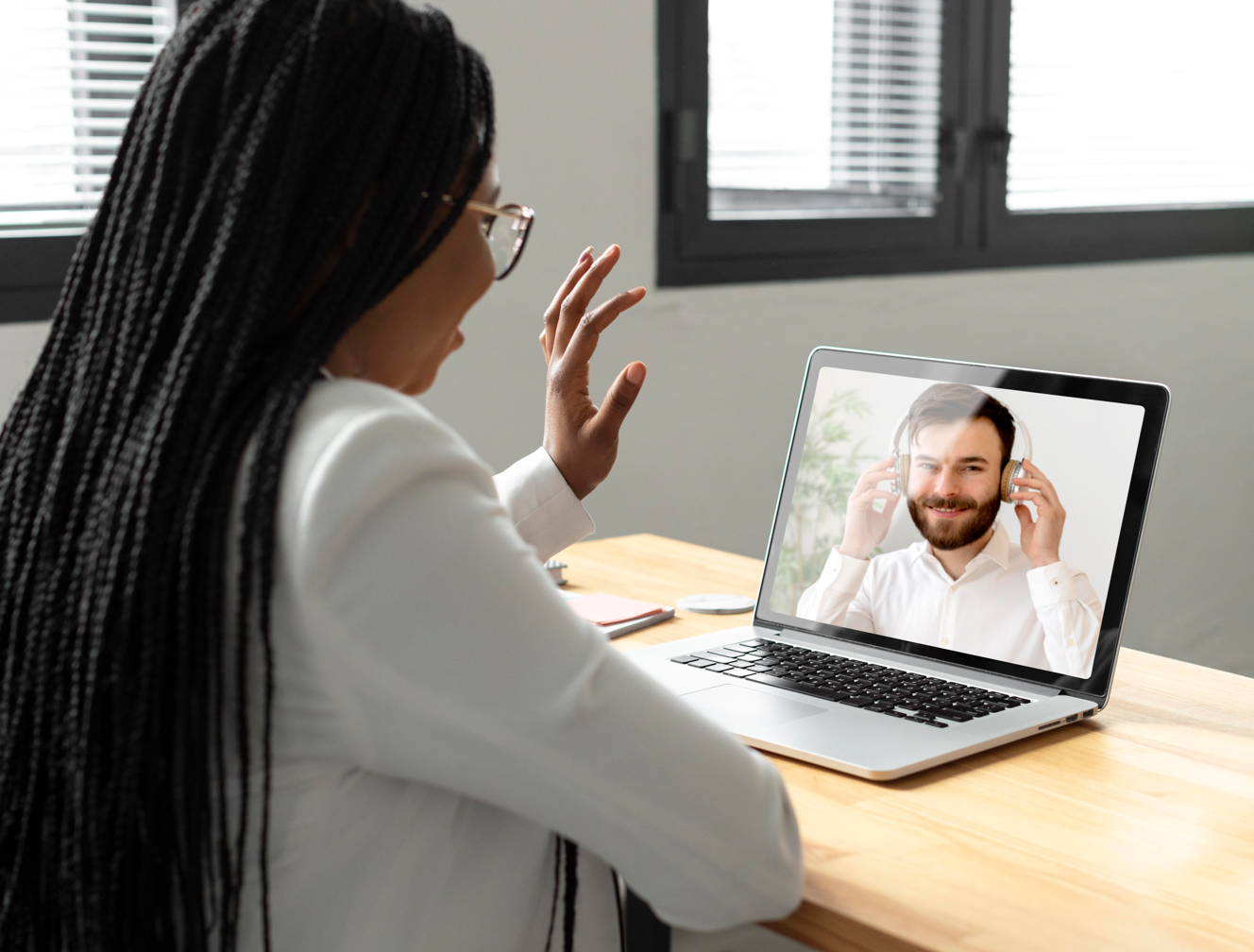
Online therapy has transformed the way people seek support for their mental health. In recent years, more individuals experiencing anxiety have turned to virtual counseling as a practical and effective alternative to traditional in-person sessions. With technology making mental health services more accessible than ever, online therapy for anxiety is quickly becoming a preferred choice for many. Understanding the reasons behind this growing trend can help explain why so many people are embracing this modern approach to care.
Increasing Accessibility for More Individuals
One of the biggest reasons online therapy for anxiety is gaining popularity is its accessibility. Traditional therapy often requires traveling to an office, coordinating schedules, and sometimes waiting weeks for an available appointment. Online therapy removes many of these barriers by allowing individuals to connect with licensed therapists from the comfort of their own homes.
This accessibility is especially beneficial for people living in rural or underserved areas where mental health services may be limited. It also supports those with mobility challenges or demanding schedules. By simply using a smartphone, tablet, or computer, individuals can attend sessions without the added stress of commuting or rearranging their entire day. The ease of access encourages more people to seek help rather than postponing care.
Offering Greater Flexibility in Scheduling
Flexibility is another key factor contributing to the rise of online therapy for anxiety. Many platforms provide extended hours, including evenings and weekends, making it easier for working professionals, students, and parents to find a time that fits their routine. This convenience reduces the likelihood of missed appointments and helps clients stay consistent with their therapy.
In addition, online therapy often provides multiple communication options such as video calls, phone sessions, and even messaging-based counseling. This variety allows individuals to choose the format that feels most comfortable to them. For someone struggling with social anxiety, starting with messaging before transitioning to video sessions can make the process feel less intimidating. Flexible formats and scheduling options make therapy more adaptable to individual needs.
Reducing Stigma Around Seeking Help
Despite growing awareness about mental health, stigma still prevents many people from seeking treatment for anxiety. Online therapy offers a level of privacy and discretion that can make reaching out for support feel safer. Clients can attend sessions from a private space without worrying about being seen entering a therapist’s office.
This sense of anonymity can be empowering, particularly for those who feel embarrassed or anxious about discussing their mental health. By lowering the perceived social barriers, online therapy encourages more individuals to prioritize their well-being. As a result, more people are taking that important first step toward managing anxiety effectively.
Providing Comfort in Familiar Environments
For individuals dealing with anxiety, unfamiliar settings can sometimes heighten stress. Online therapy allows clients to engage in sessions from environments where they feel secure and at ease. Being in a familiar space can help individuals open up more freely and communicate their thoughts and feelings without added pressure.
Comfort also plays a role in reducing anticipatory anxiety before sessions. Instead of worrying about traffic, parking, or arriving on time, clients can focus solely on preparing mentally for their conversation. This relaxed approach often leads to more productive sessions and stronger therapeutic relationships.
Expanding Access to Specialized Therapists
Online therapy broadens the pool of available professionals, giving individuals access to therapists who specialize in anxiety disorders, such as those from Different Mental Health. In traditional settings, clients are often limited to practitioners within their geographic area. Virtual platforms remove this limitation, allowing people to find therapists whose expertise aligns with their specific needs.
Whether someone is experiencing generalized anxiety disorder, panic attacks, social anxiety, or health-related anxiety, online therapy makes it easier to connect with a qualified professional. This expanded access increases the likelihood of receiving targeted, effective treatment.
As technology continues to evolve, online therapy for anxiety is becoming an increasingly practical and appealing option. Its accessibility, flexibility, privacy, comfort, and expanded therapist options make it a powerful tool in modern mental health care. For many individuals, online therapy is not just a convenient alternative; it is a meaningful and effective pathway toward lasting emotional well-being.
