

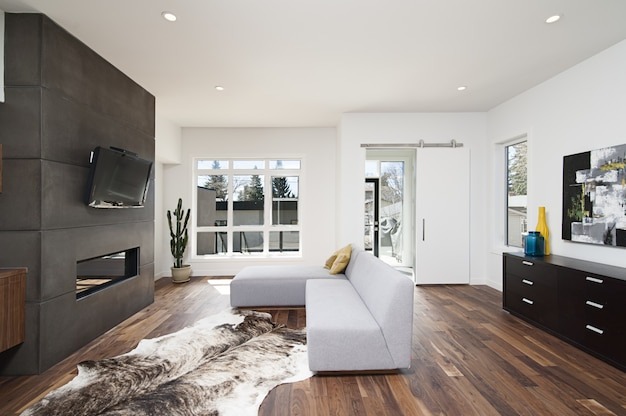
Adding a new room to your home is an opportunity to create useful space while improving the property’s overall comfort and appearance. Choosing the right materials is an important part of the planning process because materials affect durability, energy efficiency, maintenance, appearance, and cost. Whether you are adding a bedroom, family room, home office, or another space, carefully selected materials can help ensure that the addition works well with the existing home. Room additions should be planned with both current needs and long-term use in mind.
1. Consider the Structure
The structural materials form the foundation of a successful addition. Depending on the project, this may include concrete, lumber, steel, or other construction materials.
The appropriate choice depends on the design, local building requirements, soil conditions, and structural needs. A qualified contractor can help determine which materials are suitable for the project.
2. Match the Existing Exterior
The new addition should generally complement the existing exterior of the home. Siding, brick, stone, roofing, windows, and trim should be selected carefully so the addition looks integrated rather than disconnected.
Room additions that coordinate with the home’s existing exterior can create a more consistent overall appearance.
3. Choose Suitable Insulation
Insulation can affect indoor comfort and energy use throughout the year. Different insulation materials have different performance characteristics and installation requirements.
Consider the climate, location of the walls and roof, and recommendations from your construction professional when selecting insulation.
4. Select Energy-Efficient Windows
Windows influence natural lighting, ventilation, comfort, and energy efficiency. Double- or triple-pane options may provide improved insulation compared with basic single-pane windows.
Consider window placement, frame materials, glass performance, and the amount of sunlight the room will receive. Choosing the right windows can also help maintain a comfortable indoor temperature and reduce unwanted outdoor noise.
5. Think About Flooring
Flooring should match the room’s purpose and expected level of use. Hardwood, laminate, tile, vinyl, and carpet are among the options available.
For high-traffic areas, durable and easy-to-clean materials may be preferable, while bedrooms and family rooms may benefit from surfaces that provide warmth and comfort.
6. Choose Appropriate Wall Materials
Drywall is commonly used for interior walls, but other materials can create different appearances or functional benefits. Wood paneling, decorative wall panels, tile, or specialty finishes may be appropriate depending on the room.
Room additions can also incorporate materials that match existing interior finishes for a cohesive look. Using complementary wall finishes can make the new room feel like a natural extension of the existing living space.
Final Thoughts
Choosing materials for a new room addition requires careful consideration of structure, exterior appearance, insulation, windows, flooring, walls, ceilings, doors, moisture protection, maintenance, budget, and long-term value. Room additions can become valuable parts of a home when materials are selected according to the property’s design and the family’s needs. Before purchasing materials, discuss your plans with qualified construction professionals and check applicable building requirements. Thoughtful material selection can help create an addition that is comfortable, durable, attractive, and well integrated with the rest of the home.