

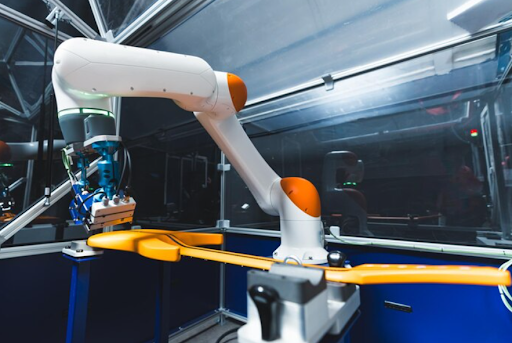
In today’s fast-paced industrial environment, efficiency is key to staying competitive. Many industries, such as pharmaceuticals, chemicals, and food processing, rely on precise handling and movement of materials to maintain productivity and safety. One technology that has significantly improved operational efficiency is the use of sample transfer arms. These devices are designed to streamline the process of moving samples from one point to another, ensuring accuracy, safety, and speed.
Understanding Sample Transfer Arms
Sample transfer arms are specialized equipment used to transfer liquid or solid samples between containers, processing units, or analytical instruments. They are often made from durable materials like stainless steel or reinforced plastics to handle a variety of substances safely. The design of these arms allows for controlled and repeatable movement, minimizing the risk of spills, contamination, or human error.
In industries where precision and hygiene are crucial, such as pharmaceuticals or biotechnology, sample transfer arms provide a reliable solution. They reduce the need for manual handling, which not only increases accuracy but also protects workers from exposure to potentially hazardous materials. By automating sample transfer, businesses can maintain a consistent workflow, reduce errors, and improve overall productivity.
Enhancing Operational Efficiency
One of the main benefits of using sample transfer arms is the improvement in operational efficiency. Manual sample handling can be time-consuming and prone to mistakes. With the introduction of transfer arms, the process becomes faster and more reliable. This is especially important in high-volume operations where even small delays can impact production schedules and overall output.
Sample transfer arms can be integrated into existing production lines or laboratory setups, allowing for seamless operation. Their ability to handle repetitive tasks without fatigue ensures that samples are moved quickly and accurately. This reduces downtime and allows employees to focus on more complex tasks, further enhancing productivity.
Improving Safety and Accuracy
Safety is a critical concern in many industries. Handling chemicals, biological samples, or other hazardous materials manually increases the risk of accidents and contamination. Sample transfer arms help mitigate these risks by providing a controlled and enclosed means of transferring materials. This minimizes exposure to harmful substances and reduces the likelihood of spills or accidents.
In addition to safety, sample transfer arms improve accuracy. Manual pipetting or pouring can lead to inconsistent sample sizes, which can affect the quality of results in laboratories or production processes. Transfer arms ensure that each sample is delivered in the exact quantity needed, supporting reliable and reproducible outcomes.
Versatility Across Industries
Sample transfer arms are highly versatile and can be customized to suit different industrial requirements. In the pharmaceutical industry, they are used to transfer active ingredients or test samples between containers without compromising sterility. In the chemical industry, they handle corrosive or reactive substances safely. Even in food processing, these devices can transport ingredients or quality control samples efficiently while maintaining hygiene standards.
Their adaptability makes sample transfer arms a valuable investment for any business that requires precision, speed, and safety in material handling. By choosing the right type of transfer arm for their specific needs, companies can optimize workflows and ensure that operations run smoothly.
Reducing Costs and Waste
Another advantage of implementing sample transfer arms is the potential for cost savings. Manual handling often leads to spills, wasted materials, and the need for additional cleaning or rework. Transfer arms minimize these issues by ensuring that samples are moved precisely and safely. This reduces waste, lowers operational costs, and enhances sustainability efforts within the organization.
Moreover, the time saved by automating sample transfer can translate into increased production capacity without additional labor costs. This allows companies to maximize efficiency while maintaining high standards of quality and safety.
Conclusion
Sample transfer arms play a crucial role in modern industrial operations by improving efficiency, accuracy, and safety. Their ability to automate repetitive tasks, reduce human error, and handle hazardous or sensitive materials makes them indispensable in industries such as pharmaceuticals, chemicals, and food processing. By investing in these systems, businesses can streamline workflows, reduce costs, and maintain a safer working environment. Overall, incorporating sample transfer arms into your processes is a practical step toward achieving higher productivity and operational excellence.