

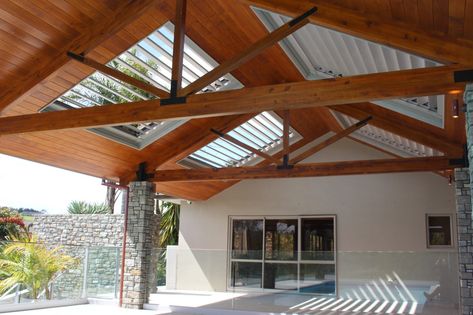
Outdoor living has become a major focus for homeowners in New Zealand, with more people investing in stylish and functional backyard spaces. One of the most common comparisons today is louvre roof pergola nz vs Traditional Pergolas: Which Is Better? This decision can significantly impact comfort, usability, and long-term value of your outdoor area.
In this article, we’ll break down both options to help you decide which structure best suits your home, lifestyle, and climate needs.
Understanding the Basics of Pergola Designs
Before comparing the two, it’s important to understand what each structure offers.
What Is a Louvre Roof Pergola?
A louvre roof pergola features adjustable slats (louvres) that can be opened or closed depending on weather conditions. This allows you to control sunlight, ventilation, and rain protection with ease.
The modern appeal of Louvre Roof Pergola NZ vs Traditional Pergolas: Which Is Better? often begins with this flexibility, making louvre systems a popular choice for contemporary homes.
What Is a Traditional Pergola?
A traditional pergola typically has a fixed roof structure made from timber, metal, or open beams. It provides partial shade but does not offer full protection from rain or adjustable coverage.
While aesthetically timeless, traditional pergolas are more about style than adaptability.
Design and Aesthetic Appeal
Modern vs Classic Outdoor Style
When considering Louvre Roof Pergola NZ vs Traditional Pergolas: Which Is Better?, design preference plays a huge role.
- Louvre roof pergolas offer a sleek, modern, and minimalistic look.
- Traditional pergolas provide a rustic, natural, or heritage-inspired aesthetic.
If your home features contemporary architecture, a louvre roof system may blend more seamlessly. On the other hand, traditional pergolas suit gardens and classic home designs.
Weather Protection and Climate Control
Adapting to New Zealand’s Changing Weather
New Zealand’s climate can be unpredictable—sunshine, wind, and rain can all occur in one day. This is where the comparison becomes very practical.
In the discussion of Louvre Roof Pergola NZ vs Traditional Pergolas: Which Is Better?, weather adaptability is a key factor.
Louvre Roof Advantage
- Adjustable slats for sun control
- Fully closed roof for rain protection
- Better airflow management
You can open the louvres for ventilation on hot days or close them during sudden rain showers.
Traditional Pergola Limitation
- Fixed structure with no adjustability
- Limited rain protection
- Shade depends on sun angle and additional coverings (like vines or fabric)
Comfort and Usability
Year-Round Outdoor Living
A major reason homeowners compare Louvre Roof Pergola NZ vs Traditional Pergolas: Which Is Better? is comfort.
Louvre roof systems allow you to use your outdoor space more consistently throughout the year. Whether it’s summer heat or winter drizzle, you can adjust the roof to suit your needs.
Traditional pergolas, while beautiful, often require additional accessories like retractable canopies or outdoor heaters to achieve similar comfort levels.
Maintenance and Durability
Long-Term Performance Considerations
Maintenance is another key difference between the two systems.
Louvre Roof Pergolas
- Usually made from aluminium or weather-resistant materials
- Easy to clean with minimal upkeep
- Moving parts may require occasional servicing
Traditional Pergolas
- Timber versions may require staining, painting, or sealing
- Vulnerable to rot, warping, or weather damage over time
- Generally lower initial maintenance complexity but higher long-term upkeep
When evaluating Louvre Roof Pergola NZ vs Traditional Pergolas: Which Is Better?, durability often tips in favor of louvre systems, especially in harsh or variable climates.
Cost Comparison
Initial Investment vs Long-Term Value
Budget is always a major factor.
- Traditional pergolas are generally cheaper upfront.
- Louvre roof pergolas are more expensive due to their engineering and automation options.
However, when considering long-term usability and reduced maintenance, many homeowners see louvre systems as a better value investment over time.
Functionality and Smart Features
Technology in Outdoor Living
Modern louvre pergolas often come with advanced features such as:
- Remote-controlled roof adjustment
- Rain sensors for automatic closing
- Integrated lighting systems
- Motorized operation
These features significantly enhance convenience and are a major reason people choose louvre systems in the debate of Louvre Roof Pergola NZ vs Traditional Pergolas: Which Is Better?
Traditional pergolas, in contrast, remain manually operated and lack integrated smart functionality.
Installation and Customization
Flexibility in Design
Both systems offer customization, but in different ways.
- Louvre pergolas can be tailored with enclosed sides, heaters, or glass panels for a full outdoor room experience.
- Traditional pergolas offer flexibility in shape, material, and decorative features like climbing plants.
Installation of louvre systems may require professional setup, while traditional pergolas can sometimes be simpler to construct.
Which One Should You Choose?
Final Decision Factors
When deciding Louvre Roof Pergola NZ vs Traditional Pergolas: Which Is Better?, consider the following:
Choose a louvre roof pergola if you want:
- Adjustable weather control
- Modern design
- Year-round usability
- Smart home integration
Choose a traditional pergola if you prefer:
- Lower upfront cost
- Classic garden aesthetics
- Simple, fixed structure
- Natural, decorative shading
Conclusion
Ultimately, the choice between these two outdoor structures depends on your lifestyle and budget. However, in terms of flexibility, comfort, and long-term usability, many homeowners find that modern louvre systems offer a more versatile solution.
The question of Louvre Roof Pergola NZ vs Traditional Pergolas: Which Is Better? doesn’t have a one-size-fits-all answer—but understanding your priorities will lead you to the right decision for your outdoor space.