

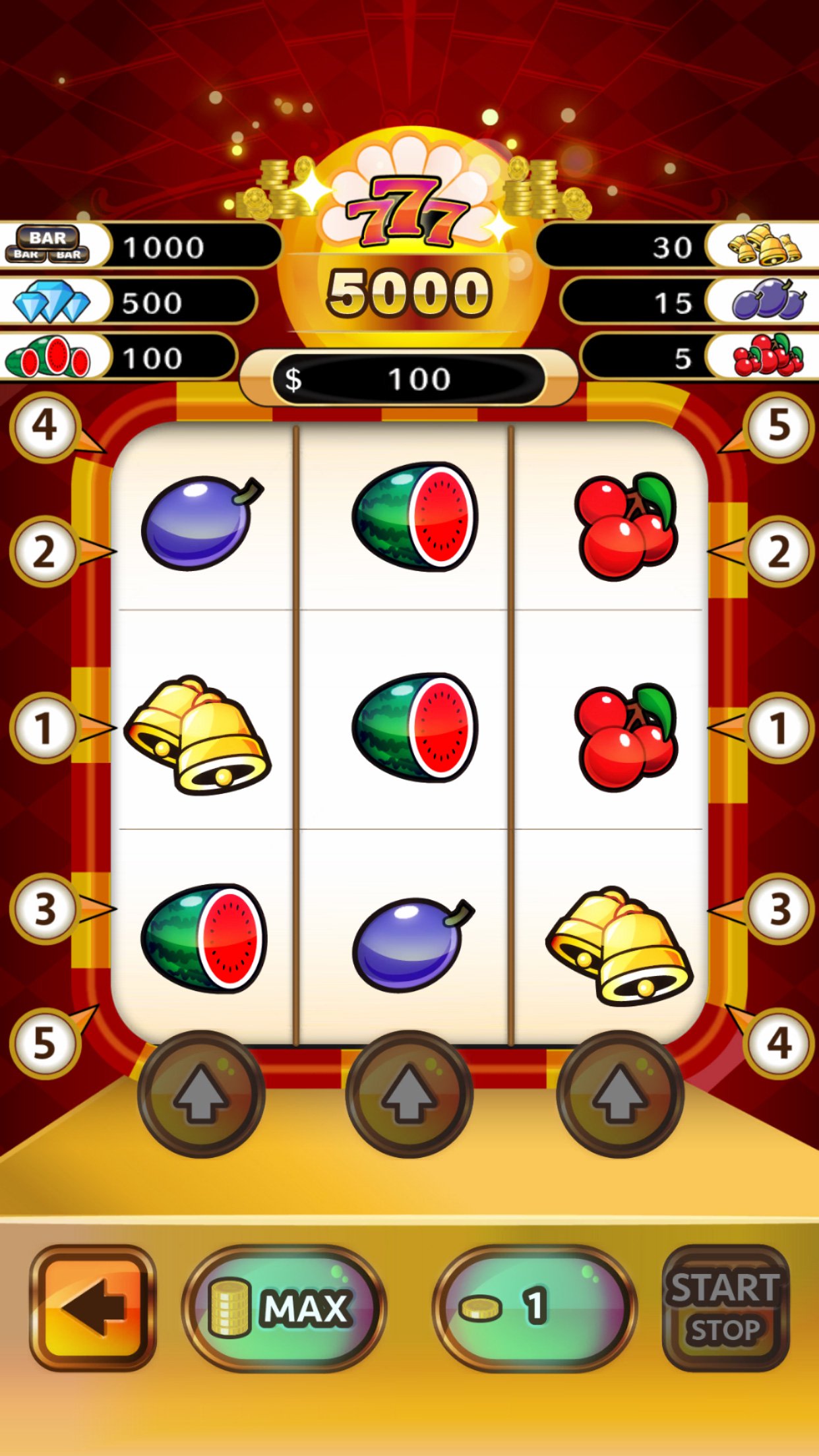
Slot reels are one of the most recognizable components of slot games. They are the rotating sections that display different symbols during each spin. From the physical reels of traditional machines to the animated reels found in modern digital games, this element has remained central to the overall design of mahjong slot gameplay.
Although reels may appear simple, they can have different structures, symbol arrangements, and special functions depending on the game. Understanding how reels work can help players become more familiar with the basic mechanics of different slot titles.
What Are Slot Reels?
A reel is a vertical section of a slot game that contains multiple symbols. When a spin begins, the reels appear to rotate before stopping at predetermined positions.
Traditional machines commonly featured three physical reels, while modern digital slots often use five or more virtual reels. Some games may use unusual configurations, including additional reels, horizontal layouts, or expanding reel systems.
The symbols displayed on the reels are used according to the specific rules of each game. Their arrangement helps determine whether a combination qualifies based on the game’s paylines or alternative winning mechanics.
Three-Reel Slot Games
Three-reel slots are closely associated with the earliest generations of slot machines. Their design is generally simple, with three vertical reels and a limited selection of symbols.
Classic fruit symbols such as cherries, lemons, oranges, and watermelons are frequently associated with this format. Other familiar symbols include bells, bars, and lucky sevens.
The simplicity of three-reel games has allowed them to remain recognizable even as digital gaming technology has advanced. They often appeal to users who prefer traditional visual designs and straightforward mechanics.
Five-Reel Slot Games
Five-reel slots are common among modern digital titles. The additional reels provide developers with more opportunities to create complex symbol combinations and innovative features.
A five-reel game may contain several rows on each reel, creating a larger visual playing area. Depending on the game’s rules, combinations can be evaluated through paylines, ways-to-win systems, clusters, or other mechanics.
Five-reel formats also provide more space for detailed themes, character symbols, animations, and special features.
Virtual Reels in Digital Slots
Unlike traditional machines that use physical components, digital slot777 games generally rely on virtual reels. These reels are software-based representations containing symbols according to the game’s mathematical design.
Virtual reels give developers greater flexibility. They can create unusual reel sizes, different symbol distributions, expanding areas, and complex bonus mechanics without requiring physical hardware.
This technology has contributed significantly to the variety of modern slot games available across digital platforms.
Reel Layouts and Rows
Reels can contain different numbers of visible rows. A traditional game may display only one symbol per reel, while modern games can show several symbols simultaneously.
For example, a five-reel game might display three rows, creating a rectangular playing area filled with symbols. Other titles may use larger layouts or changing configurations during bonus rounds.
The number of visible symbols can affect how combinations are evaluated, depending on the game’s specific mechanics.
Cascading and Expanding Reels
Some modern slot games use cascading reels. When qualifying combinations are formed, the corresponding symbols may disappear and allow new symbols to fall into their positions.
This process can create additional combinations during a single sequence. The exact rules differ between games, but cascading mechanics are commonly used to make gameplay more dynamic.
Expanding reels work differently. Certain features can increase the number of visible rows or reels during special rounds, creating a larger playing area.
Special Reel Features
Modern developers often introduce special features that directly affect reels. These may include Wild symbols, sticky symbols, expanding symbols, shifting reels, locked positions, or changing symbol locations.
A Wild symbol, for example, may substitute for certain regular symbols. Sticky symbols can remain in place for a defined period, while expanding symbols may occupy additional positions.
These mechanics are usually explained in the game’s paytable or feature guide.
Reel Design and Visual Presentation
Reel design is also an important part of a game’s visual identity. Developers can customize the background, frame, animations, symbols, and transitions to match the overall theme.
An ancient-themed game might place its reels inside a temple environment, while a futuristic game could surround them with technological interfaces and animated effects.
Sound effects can also accompany reel movements and symbol interactions, creating a more cohesive presentation.
Understanding Reel Mechanics
Players should remember that reels are not simply visual decorations. Their configuration and underlying software are connected to the game’s rules and randomization system.
The outcome of an individual spin cannot reliably be predicted by watching previous reel movements. Patterns observed during earlier spins do not provide a guaranteed indication of what will happen next.
Reviewing the paytable and official game information is therefore more useful than attempting to predict reel behavior.
Conclusion
Slot reels have evolved from simple mechanical cylinders into sophisticated digital systems capable of supporting complex gameplay features. Three-reel classics remain recognizable, while five-reel games and virtual reel systems provide developers with greater creative flexibility.
Cascading, expanding, sticky, and other reel features have further expanded the possibilities of modern slot design. Understanding these elements can help users appreciate how different games are structured while maintaining realistic expectations about chance-based outcomes.