

Understanding temporary fencing nz vs Permanent Fencing: What’s the Difference? is important when planning construction sites, events, farms, or residential boundaries. Each option serves a different purpose, and choosing the right one can impact safety, cost, flexibility, and long-term results.
In this article, we’ll break down how these two fencing types compare and when you should use each.
What Is Temporary Fencing NZ?
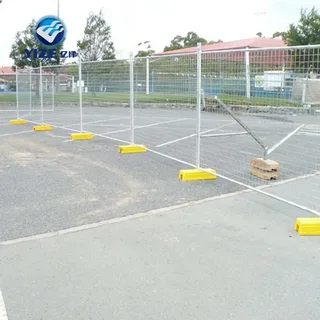
Temporary fencing in New Zealand refers to movable fencing systems designed for short-term use. These fences are commonly used on construction sites, public events, roadworks, and emergency areas where security and safety are needed for a limited time.
When comparing Temporary Fencing NZ vs Permanent Fencing: What’s the Difference?, temporary fencing is best understood as a flexible solution. It is typically made from lightweight steel panels that are easy to install, relocate, and remove without damaging the ground or surrounding structures.
Common Uses of Temporary Fencing
- Construction site safety barriers
- Crowd control at festivals and events
- Roadwork and infrastructure projects
- Temporary restricted zones
- Emergency or hazard areas
What Is Permanent Fencing?
Permanent fencing is designed to stay in place for many years. It is usually built using durable materials such as timber, steel, aluminum, or concrete posts, depending on the purpose and environment.
Unlike temporary solutions, permanent fencing is installed with deep foundations or fixed posts. This makes it more stable and suitable for long-term boundary definition and security.
Common Uses of Permanent Fencing
- Property boundaries
- Farm and livestock management
- Residential privacy fencing
- Security fencing for businesses
- Decorative landscaping features
Temporary Fencing NZ vs Permanent Fencing: What’s the Difference in Purpose?
One of the biggest distinctions in Temporary Fencing NZ vs Permanent Fencing: What’s the Difference? lies in their purpose.
Temporary fencing is designed for short-term control and flexibility. It can be installed quickly, moved easily, and removed when no longer needed.
Permanent fencing, on the other hand, is built for long-term durability. It provides stable security and defines property boundaries for years or even decades.
If your project requires flexibility, temporary fencing is the better option. If you need long-term protection or privacy, permanent fencing is the right choice.
Installation and Setup Comparison
Temporary Fencing Installation
Temporary fencing is quick and simple to install. Panels are connected using couplers and supported by weighted bases or ground anchors. No digging or heavy construction is required.
This makes it ideal for fast-changing environments where setup speed matters.
Permanent Fencing Installation
Permanent fencing requires more time and effort. Posts must be set into the ground using concrete or deep anchoring systems. Rails, panels, or wire are then attached securely.
This process takes longer but results in a strong and stable structure.
Cost Differences
When evaluating Temporary Fencing NZ vs Permanent Fencing: What’s the Difference?, cost is a key factor.
Temporary fencing generally has a lower upfront cost, especially for short-term hire. It is cost-effective for projects that only last days, weeks, or months.
Permanent fencing has a higher initial investment due to materials and labor. However, it pays off over time because it does not need to be replaced frequently.
Flexibility and Reusability
Temporary fencing is highly flexible. It can be:
- Moved to different locations
- Reused across multiple projects
- Adjusted to different layouts
Permanent fencing is fixed in place. Once installed, it is not designed for relocation. Any changes usually require dismantling and rebuilding sections.
This difference is a major reason businesses often compare Temporary Fencing NZ vs Permanent Fencing: What’s the Difference? before starting a project.
Durability and Lifespan
Permanent fencing is built to last for years, even decades, depending on maintenance and materials. It is resistant to weather conditions, wear, and impact.
Temporary fencing, while strong and secure, is not intended for long-term exposure. It is designed for short-term durability and frequent reuse across different sites.
Security and Safety
Both fencing types provide security, but in different ways.
Temporary fencing is excellent for:
- Preventing unauthorized access during construction
- Protecting the public from hazardous areas
- Controlling crowds at events
Permanent fencing provides:
- Long-term property protection
- Privacy from neighbors or public areas
- Stronger resistance to intrusion
Understanding Temporary Fencing NZ vs Permanent Fencing: What’s the Difference? helps determine which level of security you actually need.
When Should You Choose Temporary Fencing?
Temporary fencing is the best choice when:
- Your project is short-term
- You need fast installation and removal
- You require flexible site management
- You are hosting an event or managing crowds
- You want a cost-effective short-term solution
When Should You Choose Permanent Fencing?
Permanent fencing is ideal when:
- You are securing a long-term property boundary
- You need privacy or noise reduction
- You want a durable, low-maintenance solution
- You are investing in long-term infrastructure
Final Thoughts
The decision between fencing types depends entirely on your project needs. Temporary Fencing NZ vs Permanent Fencing: What’s the Difference? comes down to flexibility versus longevity. Temporary fencing offers speed, mobility, and convenience, while permanent fencing provides durability, security, and long-term value.